Original article image from the Webcotec archive.
Overview
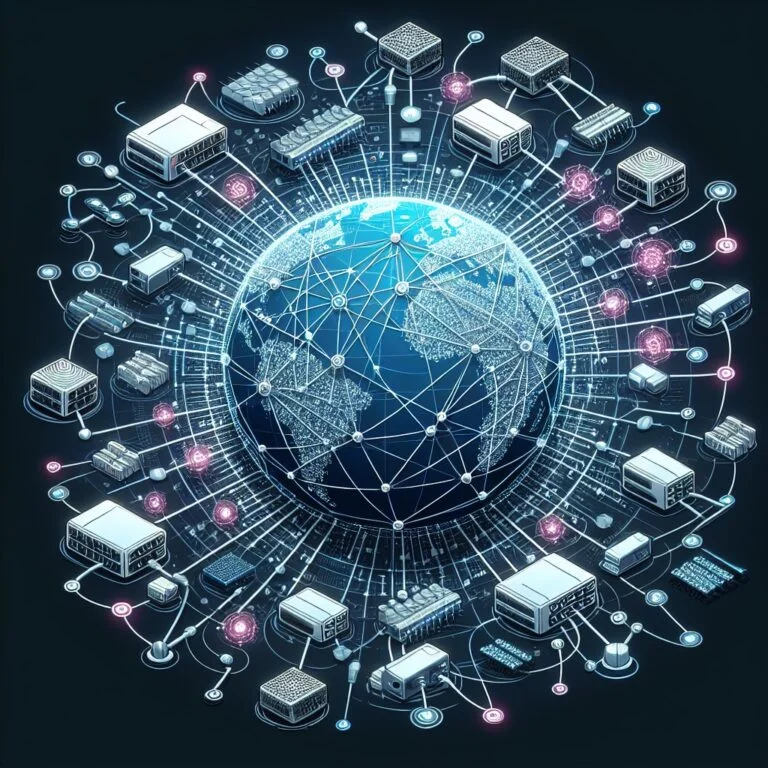
The Internet is a global network of interconnected computers and devices that communicate using standardized protocols. Think of it as a web of networks linked together to share data and resources.
Servers store and serve data, such as websites, videos, or files.
Clients are devices like smartphones, laptops, or tablets that request data from servers.
Devices on the Internet use rules called protocols to communicate:
IP (Internet Protocol) assigns unique addresses to devices.
TCP (Transmission Control Protocol) ensures reliable data transfer.
HTTP/HTTPS handles web page requests.
DNS translates human-readable domain names (e.g., www.example.com ) into IP addresses, enabling devices to locate and connect with each other.
Data travels in small packets. Each packet contains a header (with source and destination information) and a payload (the actual data). These packets are routed across networks to reach their destination.
ISPs (Internet Service Providers) connect homes and businesses to the Internet.
Data Centers house servers storing vast amounts of data to ensure services are always available.
Fiber optic cables for high-speed data transmission.
Undersea cables to connect continents.
Satellites to provide access in remote areas. 8. Wireless Connections Wi-Fi and cellular networks connect devices locally or over long distances, offering flexibility and mobility. 9. Security and Encryption Encryption protocols like HTTPS and SSL/TLS protect sensitive information, ensuring secure communication between devices. 10. The Future of the Internet Emerging technologies such as 5G, Internet of Things (IoT), and the decentralized web are shaping the Internet’s future, making it faster, smarter, and more inclusive.