Original article image from the Webcotec archive.
What is SEO?
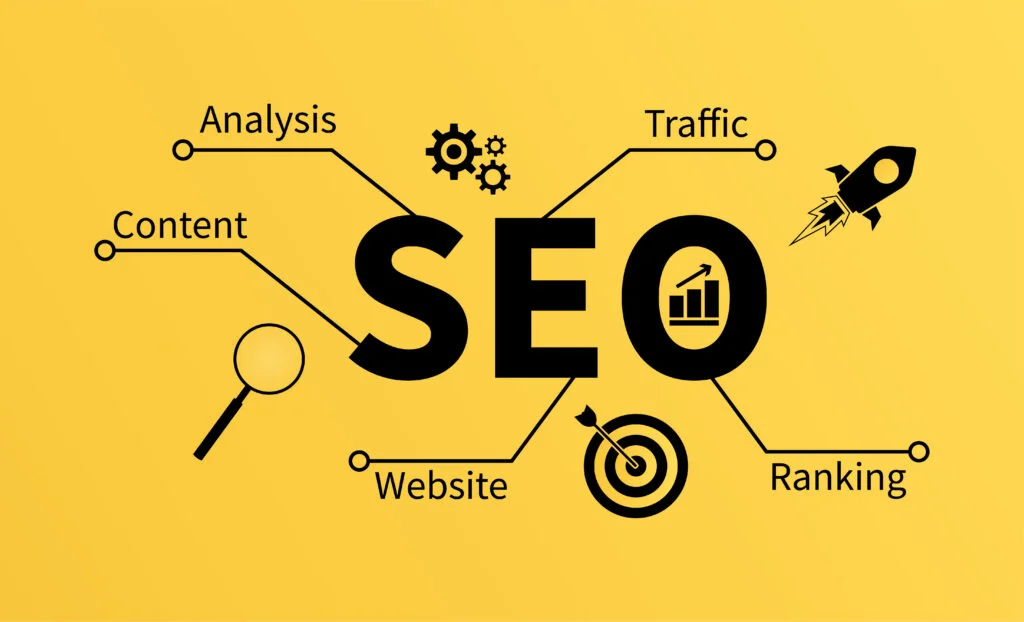
Search Engine Optimization (SEO) is the practice of optimizing a website to improve its visibility and ranking in search engine results pages (SERPs). It aims to drive organic (non-paid) traffic by enhancing the site’s relevance and authority.
Increases website traffic
Builds brand credibility
Enhances user experience
Drives targeted leads and conversions
On-Page SEO : Optimizing website content and structure.
Off-Page SEO : Building backlinks and promoting the website externally.
Technical SEO : Improving site performance and crawlability.
Search engines like Google use bots to crawl, index, and rank websites based on algorithms that consider relevance, authority, and user experience.
Keywords are words or phrases users enter into search engines to find information. Examples: “best SEO tools” or “learn SEO.”
Short-tail : Single or short phrases (e.g., “SEO tools”)
Long-tail : Longer, specific phrases (e.g., “best free SEO tools for beginners”)
LSI Keywords : Contextually related terms that enhance content relevance.
Google Keyword Planner
Ahrefs
SEMrush
Ubersuggest
Moz Keyword Explorer
Focus on user intent.
Target low competition with high search volume.
Analyze competitors’ keywords.
Title Tags and Meta Descriptions : Use primary keywords. Keep it under 60 characters (title) and 160 characters (meta description).
Header Tags (H1, H2, H3) : Use structured headings to improve readability.
Image Optimization : Use descriptive alt text. Compress images to improve loading speed.
Internal Linking : Link related pages to enhance navigation and distribute link equity.
URL Structure : Use short, descriptive URLs.
Content Optimization : Write unique, high-quality content. Use keywords naturally.
Backlinks are links from external websites to your site, signaling trust and authority to search engines.
Guest blogging
Broken link building
Outreach campaigns
Social media promotion
Engagement on platforms like Facebook, Instagram, and LinkedIn indirectly boosts SEO by increasing visibility and driving traffic.
Site Speed Optimization : Use tools like PageSpeed Insights or GTmetrix. Compress files and enable caching.
Mobile-Friendliness : Implement responsive design.
SSL Certificates : Use HTTPS for secure connections.
XML Sitemaps and Robots.txt : Submit to search engines for better crawling.
Fixing Crawl Errors : Use Google Search Console to identify and resolve issues.
Local SEO helps businesses target customers within a specific geographical area.
Optimize Google My Business (GMB) profile.
Use local keywords.
Get listed in local directories.
Encourage customer reviews.
Use engaging headlines and subheadings.
Add visuals (images, videos).
Write evergreen content.
Include actionable insights.
Optimize for readability.
Google Analytics: Tracks traffic and user behavior.
Google Search Console: Monitors indexing and performance.
Organic traffic
Bounce rate
Click-through rate (CTR)
Conversion rate
Voice search optimization
AI in SEO
Core Web Vitals (loading speed, interactivity, visual stability)
Keyword stuffing
Duplicate content
Ignoring mobile optimization
Slow page speed
Poor site structure